...

Generative AI and Agentic AI in Business Transformation

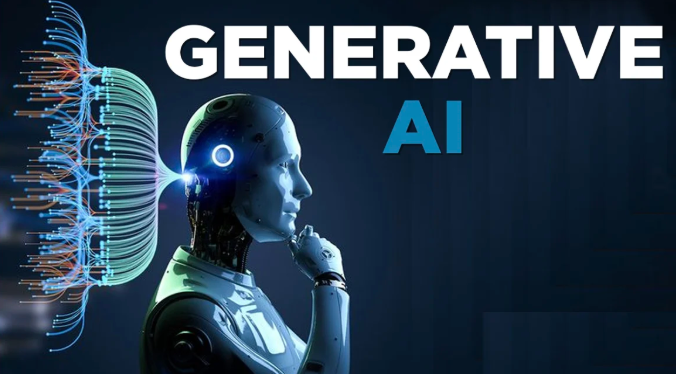
Generative AI and Agentic AI represent two powerful stages in artificial intelligence development.


 Generative AI and Agentic AI

Generative AI and Agentic AI represent two powerful stages in artificial intelligence development.

Generative and Agentic AI
source:https://www.linkedin.com/pulse/generative-ai-dummies-what-you-need-know-imane-el-khalfi-2blqe/

Generative AI Is Specializes in creativity , it analyzes enormous volumes of data to produce new content such as text, images, or sound. It’s responsive: waiting for a human command and replying with a tailored result.

Generative AI and Agentic AI in Modern Enterprises

Agentic AI, on the other hand, acts independently. It can plan actions, make decisions, and complete multi-step goals using tools, data, and even other AI agents. While humans remain in control, Agentic AI introduces proactive intelligence not just responding to prompts, but initiating actions to reach defined objectives.

Generative AI vs Agentic AI in Business Transformation

In today’s businesses, Generative AI boosts productivity, helping employees accomplish tasks faster. But Agentic AI transforms processes  automating workflows, resolving customer queries, and optimizing operations across industries like banking, retail, and manufacturing.

As organizations integrate Generative and Agentic AI, they move beyond efficiency toward intelligent automation where AI doesn’t just work faster, it works smarter.

Leave a Reply

Your email address will not be published. Required fields are marked *

Generative AI and Agentic AI
Best Website designer in buea cameroon

Generative AI and Agentic AI in Business Transformation

Generative AI and Agentic AI represent two powerful stages in artificial intelligence development.    Generative AI and Agentic AI Generative AI and Agentic AI represent two powerful stages in artificial intelligence development. Generative AI Is Specializes in creativity , it analyzes enormous volumes of data to produce new content such as text, images, or sound. It’s responsive: waiting for a human command and replying with a tailored result. Agentic AI, on the other hand, acts independently. It can plan actions, make decisions, and complete multi-step goals using tools, data, and even other AI agents. While humans remain in control, Agentic AI introduces proactive intelligence not just responding to prompts, but initiating actions to reach defined objectives. Generative AI vs Agentic AI in Business Transformation In today’s businesses, Generative AI boosts productivity, helping employees accomplish tasks faster. But Agentic AI transforms processes  automating workflows, resolving customer queries, and optimizing operations across industries like banking, retail, and manufacturing. As organizations integrate Generative and Agentic AI, they move beyond efficiency toward intelligent automation where AI doesn’t just work faster, it works smarter. Share the post “Generative AI and Agentic AI in Business Transformation” FacebookBlueskyShare…

Read More »
Artificial Intelligence(AI) in Everyday Life
Trending

Artificial Intelligence (AI) one of the most talked-about technologies today

Artificial Intelligence (AI) is a branch of computer science that focuses on building systems capable of performing tasks that usually require human intelligence. These tasks include recognizing speech, understanding language, making decisions, identifying images, and even playing games. Artificial Intelligence(AI) in Everyday Life AI is already used in many day-to-day technologies. Common examples include: Smart home devices such as smart lights and home automation tools Virtual assistants like Siri and Alexa that help with searching, reminders, and device control Recommendation systems used by, Amazon ,YouTube, and Netflix to suggests content and products based on behavior Fraud detection in banking systems which help to detects suspicious transactions to protect customers Do you know about Generative Artificial Intelligence ? Is a subset of deep learning that focuses on creating new content such as text, images, and videos instead of only analyzing existing data. Some examples include: ChatGPT: generates text for Q&A, summaries, and writing assistance Deepfake technology: can create or change video content using AI methods Midjourney / DALL·E: generate images from prompts Generative Artificial Intelligence uses  Writing assistance (drafts, edits, summaries) Brainstorming and content planning Video ideas/storyboards Image creation for design and marketing Share the post “Artificial Intelligence (AI) one of the most talked-about technologies today” FacebookBlueskyShare…

Read More »
Understanding the complexities of cryptocurrencies is crucial for anyone interested in participating in this rapidly evolving space, whether as an investor, developer, or user.
Technology

Cryptocurrencies

Cryptocurrencies have changed the way we think about money, starting with Bitcoin in 2009. Today, there are thousands of cryptocurrencies that offer various uses. This guide will explain what cryptocurrencies are, how they work, and their benefits and challenges. What is Cryptocurrency? Cryptocurrency is a type of digital or virtual money that uses cryptography (complex codes) for security. Unlike traditional money issued by governments (like dollars or euros), cryptocurrencies operate on technology known as blockchain. Key Features of Crypto: Decentralized: No central authority, like a bank, controls them. This makes transactions peer-to-peer. Anonymous: Users can conduct transactions without revealing their identities. Secure: Cryptography helps protect transactions and prevents fraud. How Does Cryptocurrency Work? Most cryptocurrencies rely on blockchain technology, which is a public ledger that records all transactions: Blockchain: Imagine a chain of blocks, where each block contains a list of transactions. Once a block is full, it gets added to the chain, creating a permanent record. Mining: Many cryptocurrencies are created through a process called mining, where powerful computers solve complex math problems to add new transactions to the blockchain. Miners earn new coins for their efforts. Consensus Mechanisms: Cryptocurrencies use systems (like Proof of Work and Proof of Stake) to ensure that all transactions are verified by the network. Types of Cryptocurrencies While Bitcoin is the most famous cryptocurrency, many alternatives (called altcoins) exist: Bitcoin (BTC): The first and most widely used cryptocurrency, often seen as a digital alternative to gold/is the first and most well-known decentralized crypto, primarily used for peer-to-peer transactions. Ethereum (ETH): A platform that allows developers to create applications and smart contracts using cryptocurrency/serves as a platform for decentralized applications and smart contracts, enabling developers to build innovative solutions. Litecoin (LTC): A faster alternative to Bitcoin, designed for everyday transactions /offers faster transaction processing and lower fees compared to Bitcoin. Stablecoins: Cryptocurrencies like Tether (USDT) that aim to maintain a stable value by pegging to traditional currencies/ are pegged to traditional currencies, such as the US dollar, to minimize volatility. Benefits of Cryptocurrencies Decentralization: Reduces reliance on banks, giving users more control over their money. Lower Fees: Often cheaper to send money compared to traditional banking services, especially for international transfers. Accessibility: Anyone with internet access can use cryptocurrencies, helping those without bank accounts. Investment Opportunities: Many see cryptocurrencies as a new investment opportunity due to their potential for high returns. Challenges of Cryptocurrencies However, cryptocurrencies also face significant challenges: Volatility: Their prices can fluctuate wildly, leading to potential losses for investors. Regulation: Governments are still figuring out how to regulate cryptocurrencies, which can create uncertainty. Security Risks: While blockchain is secure, exchanges and wallets can be hacked, resulting in stolen funds. Scalability: Many cryptocurrencies struggle to process transactions quickly when demand is high. Future of Cryptocurrencies Looking ahead, we can expect: More Regulation: As cryptocurrencies become mainstream, clearer rules and regulations are likely to develop. Integration with Finance: Traditional banks might start integrating cryptocurrency services into their offerings. Increased Adoption: More businesses and individuals will use cryptocurrencies for payments and investments. Technological Advancements: Innovations will improve transaction speeds and security   Cryptocurrencies are transforming how we think about and use money in the digital age. While they offer many advantages, such as decentralization and lower fees, they also come with risks like volatility and regulatory uncertainty. Understanding cryptocurrency is essential for anyone interested in participating in this fast-evolving financial landscape. Share the post “Cryptocurrencies” FacebookBlueskyShare…

Read More »
Seraphinite AcceleratorOptimized by Seraphinite Accelerator
Turns on site high speed to be attractive for people and search engines.